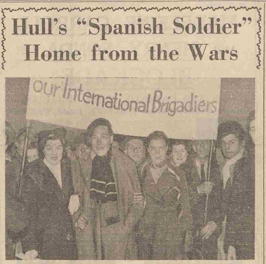
Hull fishworker Dick Mortimer was one of thousands of brave men and women who volunteered with the International Brigade to fight fascism in Spain 90 years ago.
Author Archives: digancestors
William Hobbs Bradfield the younger

Even the dullest-looking document is a record of someone’s life (or death), and can set you on a path to discovering surprising stories from the past.
William and Frederick: Case 2

In 1888 Amelia Carter and her young daughters Rose and Alice were admitted to Greenwich Workhouse after Amelia’s husband Frederick Cross had deserted them. But Alice’s father was WILLIAM Cross, and Rose was later baptised to Frederick CARTER. Can you help me solve this family history paternity mystery?
William and Frederick: Case 1

My 2x great grandfather William Taylor was a bricklayer, and a brick wall! Follow along with my research as I use traditional and DNA evidence to piece together a genealogical puzzle and uncover an alternative identity.
A Herculaneum Potter

230 years ago dozens of families from the Staffordshire potteries migrated to Liverpool to become the workforce at a huge new pottery factory, Herculaneum. The family of enameller John Edwards was one of them.
The lost boys … and girls — tips on searching for missing children in your family tree

In this blog post I’ll be investigating a story about a man who was reported to have had his 30th child in 1866, and sharing some methods for finding children who were born in England in the 1800s.
Hannah and Percy: a WW1 Story
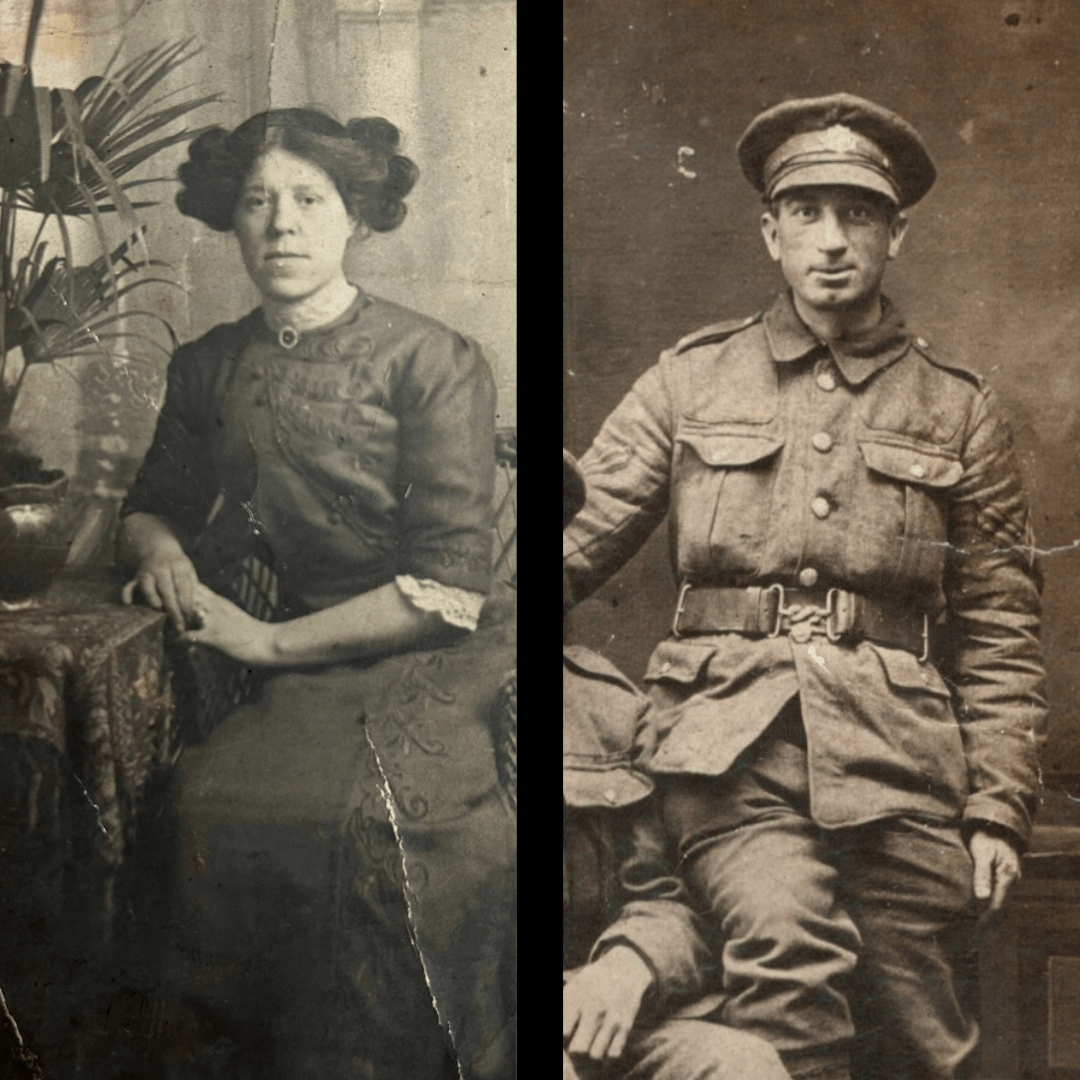
Percy Kirk joined the Hulls Pals in 1914 and saw action in Egypt and France. Back home, his new wife Hannah endured zeppelin air raids while preparing for the birth of their first child.
Lady Criminals on the Thames

Meet three women charged with crimes in London’s east end in the 1870s — brothel keeper Ann Gilligan, smuggler Mary Jones and illicit tobacco-seller Margarethe Schmidt.
Letter From a ‘Lunatic’

A fiery letter within the correspondence of Poplar’s Poor Law Union, 1882, describes the horrific treatment of a woman in the workhouse ‘lunatic’ ward. Who was the letter writer and supposed lunatic, Catherine Bouchier Phillimore?
Eliza Saword — a short life remembered
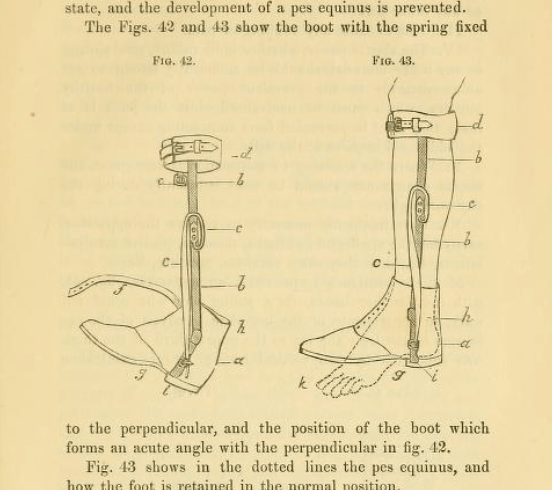
Eliza Saword was paralysed and had epilepsy. She only lived to the age of 17. In this blog I investigate medical treatments and social attitudes towards these conditions in the 1860s, and consider how her disabilities would have affected her short life.
 Dig Up Your Ancestors